
This guide compares alternatives to the Google Cloud Text-to-Speech API. Android’s built-in reading features are a different product and need a different comparison.
What to compare
Google Cloud Text-to-Speech has several voice families with different capabilities. Compare the voice and endpoint you use today with a specific alternative. A service-wide language count will not tell you whether your chosen voice supports your application.
The options below cover different jobs; they are not a ranked benchmark. Check each provider’s current availability, features, and plan terms before committing.
Alternatives at a glance
| Product | Evaluate for | Check before choosing |
|---|---|---|
| Cartesia | Speech for voice applications | Model, language, and integration requirements |
| Murf AI | Scripted voiceovers | Editing controls and export rights |
| PlayHT | Existing TTS workflows | Current service and API availability |
| Speechify | Reading documents aloud | Reading app, studio, or API plan |
| Speechelo | Script-to-audio voiceovers | Purchase terms and API availability |
| Amazon Polly | TTS in AWS applications | Voice engine, region, and supported controls |
| IBM Watson Text to Speech | TTS API integration | Languages, controls, and service limits |
| Microsoft Azure Text-to-Speech | Speech in Azure applications | Region, SSML support, and custom voice access |
| Lovo AI | Recorded narration and dialogue | Delivery controls and revision workflow |
| Descript | Transcript-based media editing | Editing workflow and export options |
Cartesia
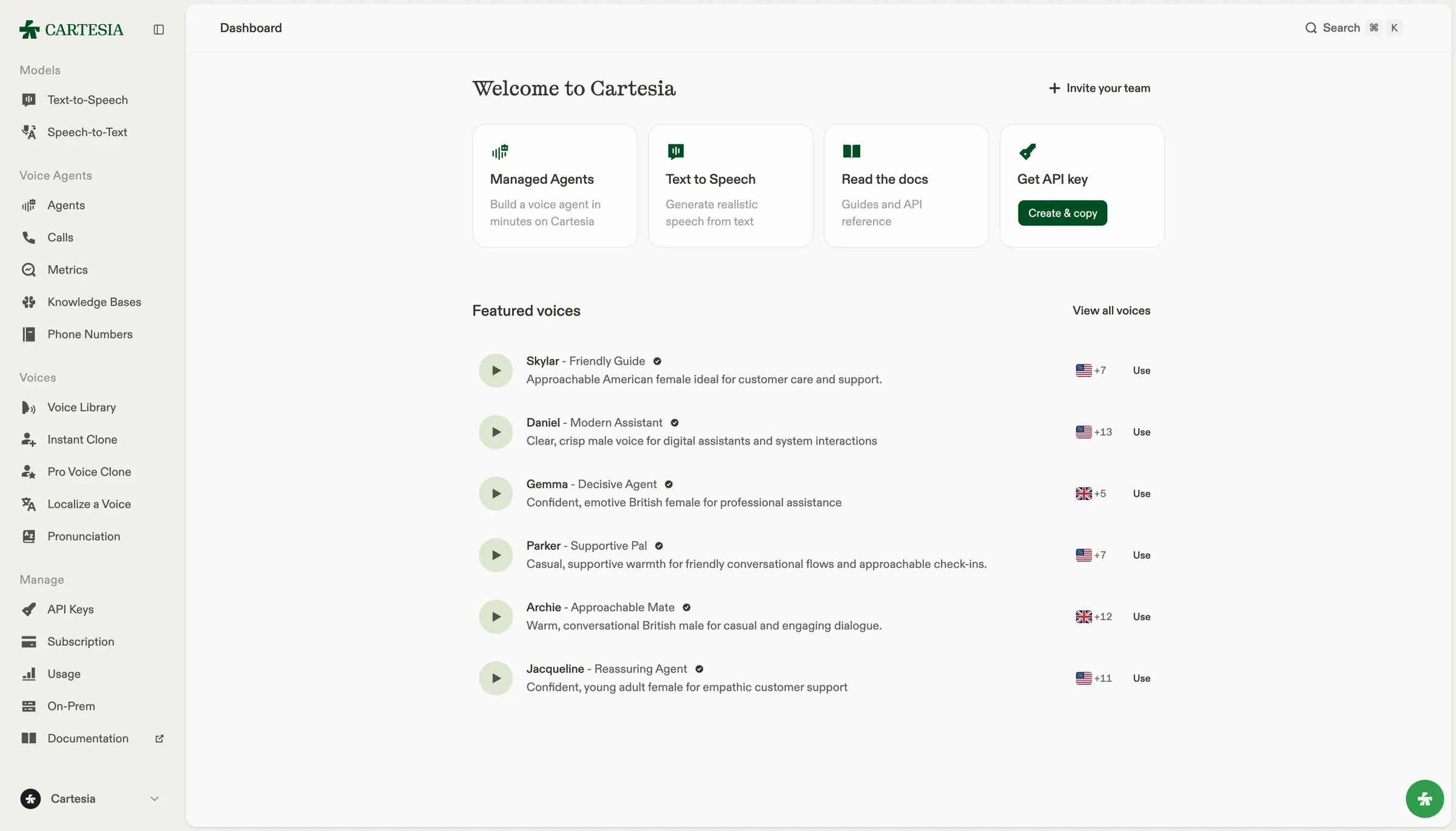
We build Sonic, a text-to-speech model for voice applications. You can stream generated audio, select a voice, or use voice cloning with recordings you have permission to use. Try your own text in the playground before integrating the API.
For a complete voice agent, you also need speech recognition and conversation handling. Ink is our speech-to-text model, and Managed Agents is our voice agent builder. Sonic alone does not listen to callers or decide what to say.
Check language coverage, API requirements, and pricing for the model and plan you intend to use. Measure response time in your application: network travel and playback buffering contribute to what a user hears.
Murf AI
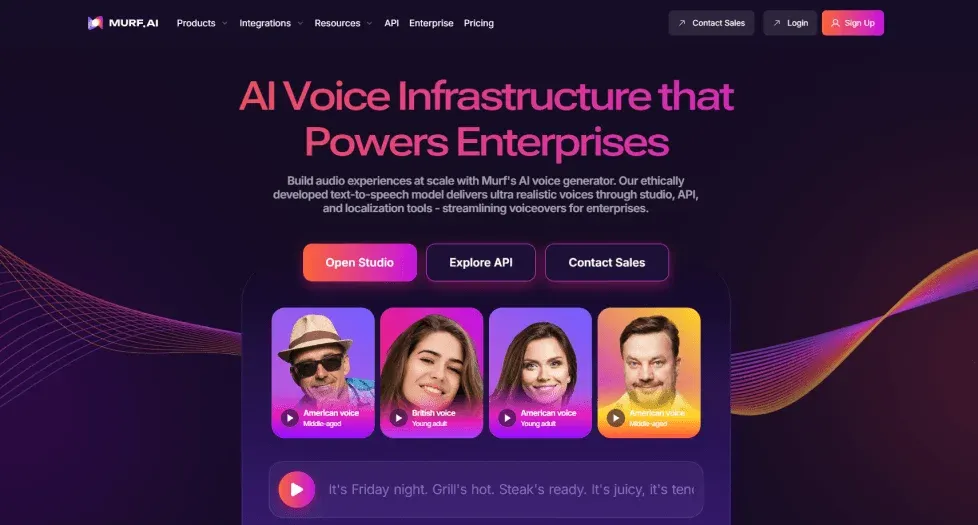
Murf AI has a voiceover editor for working from scripts and matching narration to media. Consider it for training materials and recorded presentations. Test how much editing your script needs, and check whether the plan includes the exports and team access you need.
PlayHT
PlayHT has been used for voice generation and TTS API integrations. Before building around it, confirm current service availability, API access, and support with the provider. If you are moving an existing integration, save the scripts and voice settings you need for comparison tests.
Speechify
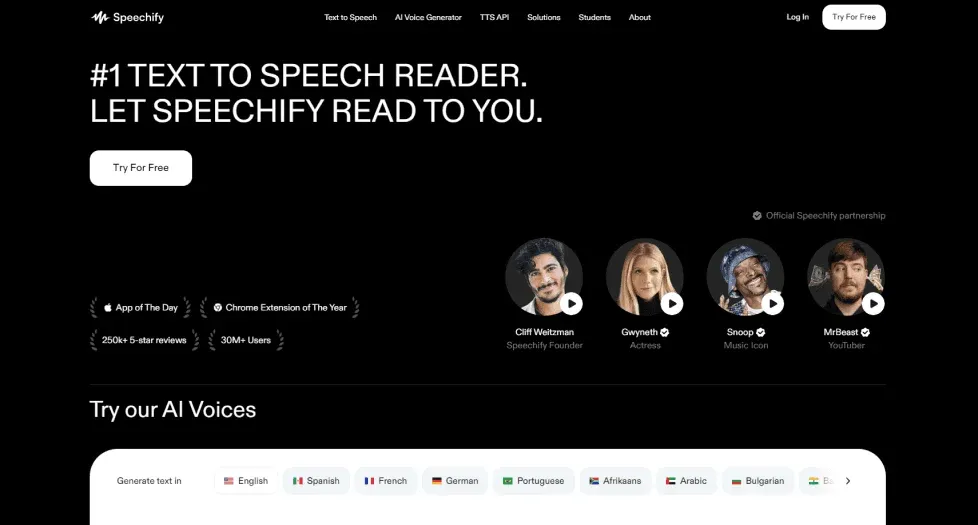
Speechify has reading apps that turn documents and web pages into audio. If your goal is to listen to existing text, start with that workflow. Evaluate its reading, studio, and API products separately; access to one does not tell you what another includes.
Speechelo
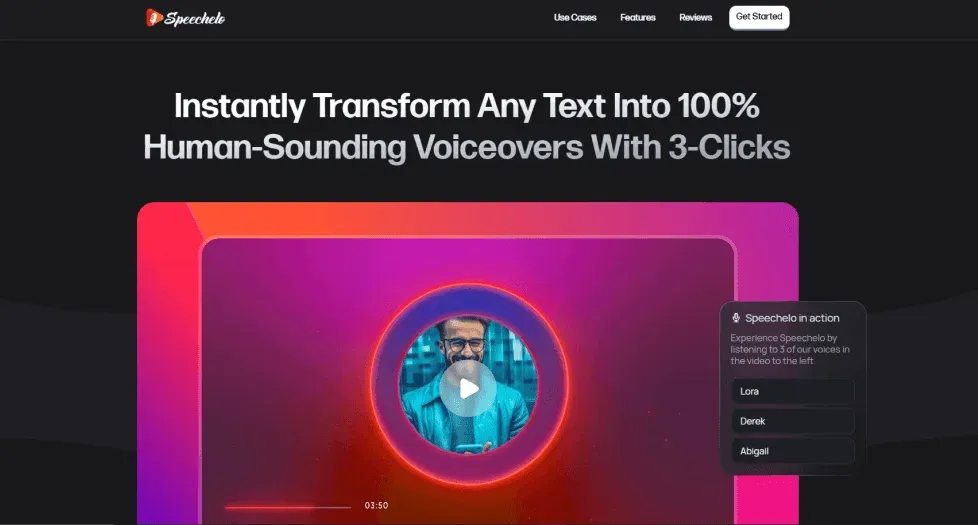
Speechelo is a tool for generating voiceovers from text. Check what the current purchase includes, especially usage limits and commercial rights. If you need to generate speech inside an application, verify API access instead of assuming an editor includes it.
Amazon Polly
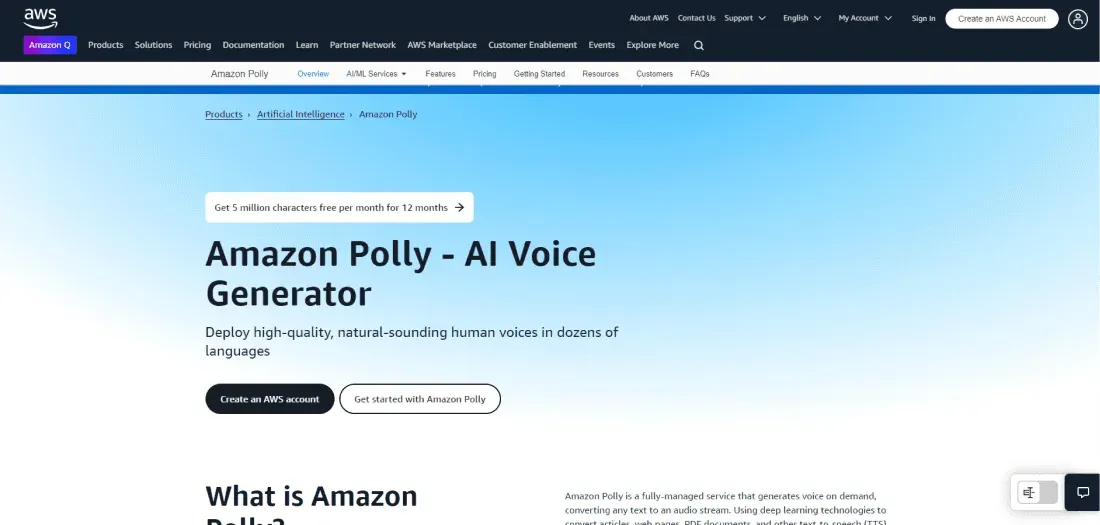
Amazon Polly is AWS’s text-to-speech service. It is worth evaluating if your application already uses AWS identity and billing. Voice engines differ in language coverage and supported controls, so check the engine you plan to deploy rather than the service-wide feature list.
IBM Watson Text to Speech
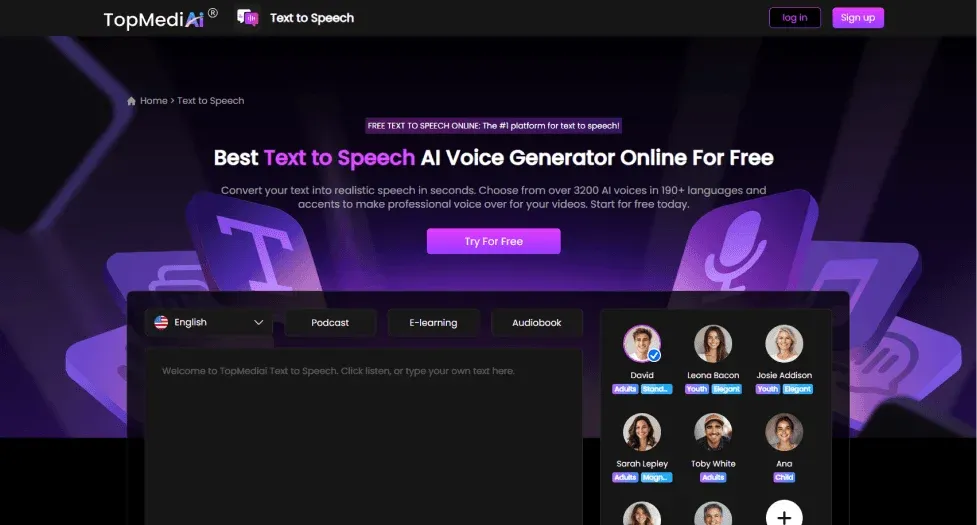
IBM Watson Text to Speech is an API for generating speech from text. Include it if you are comparing speech services for an IBM-based deployment. Verify supported languages and pronunciation controls, then test output formats and service limits against your application.
Microsoft Azure Text-to-Speech
Microsoft Azure provides text-to-speech through its speech services. It is a candidate for teams already operating in Azure. Check the selected voice and region, supported Speech Synthesis Markup Language (SSML) controls, and access requirements for custom voices.
Lovo AI
Lovo AI combines voice generation with tools for producing recorded content. Try it with dialogue or narration that needs changes in delivery. Listen across a full script, then check how revisions and commercial exports fit your plan.
Descript
Descript combines transcription with text-based audio and video editing. Consider it when you want to cut recorded material by editing its transcript. A speech API alone will not replace that editor, so test the recording-to-export workflow before switching.
Test before you switch
Build a test set for each required language and regional accent. Include mixed-language names, currencies, and abbreviations. Check streaming support and speech controls for the selected model, then compare quota behavior and billing at your expected volume.
Compare cost using your expected usage and the features you need. Include retries, regenerated audio, concurrency limits, and commercial rights. A low starting price is not a workload estimate.